Access key links:

This site uses cookies to help make it more useful and reliable. Our cookies page explains what they are, which ones we use, and how you can manage or remove them.


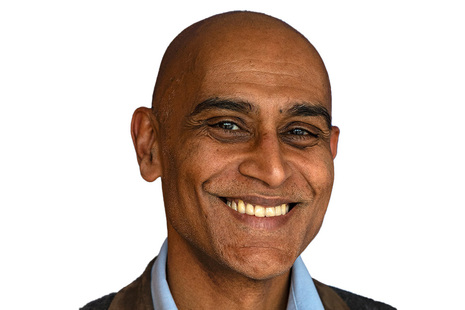
Prof Martin Barstow


I am a Professor of Astrophysics and Space Science, currently Head of Science & Engineering at the University of Leicester.

 Professor Martin Barstow. (JPG, 134 Kb) 
Professor Martin Barstow.

What does your job involve?

My personal research centres on developing and using space-based UV/optical instrumentation for astronomy. I also have an administrative role across all physical sciences in the University.

What interested you in working in the space sector?

I grew up in the era of the Apollo programme and the excitement of that time propelled me to work in space research.

What do you do in a typical day?

Some of my work is programmatic, thinking about future space missions and perhaps writing a proposal for a new instrument. I may have to attend a project meeting for a current mission. I often also spend time analysing data from space missions such as Hubble working towards writing up and publishing the results of my work.

Are there any other interesting aspects to your work?

There is an opportunity for international travel around the world. I have worked with many space agencies and visited the USA, Canada, Russia, China and many European countries as part of collaborations or to attend meetings and conferences. I really enjoy working with other scientists across the world and learning about their cultures and different approaches to science research.

What is it about your job that fascinates or inspires you?

This is a job that pushes on technical and intellectual frontiers all the time. We really do explore things so far unexplored. I get a kick out of finding out new things and increasing our understanding of the Universe.

Why is what you do important?

Furthering our understanding is part of our culture and basic knowledge about some of the fundamental questions, such as “are we alone in the Universe” could be answered in the next decade. Virtually the whole human race wants to know the answer to that. In addition, the development of technology and training of skilled people through my research has significant economic benefits.

What advice would you give to someone considering a career in space?

Decide what really interests you. If you want to work on the tools and the means of getting into space an engineering route would be the most appropriate. If you are interested in the fundamental science questions, do a physics-related degree. You should probably also plan on working toward a PhD.

  • Print this page

UK space sector videos

To view this content you need Flash and Javascript enabled in your browser. Please download Flash from the Adobe download website.

View larger video


UK Space Agency on Twitter

spacegovuk (NaN followers)


Twitter

About

The UK Space Agency is at the heart of UK efforts to explore and benefit from space.  The UK's thriving space sector contributes £9.1 billion a year to the UK economy and directly employs 28.900 with an average growth rate of almost 7.5%. The Agency provides funding for a range of programmes via programmes such as the National Space Technology Programme and FP7 and works closely with national and international academic, education and community partners.

Outer Space Act Licensing

Apply for a licence under the Outer Space Act (OSA).

The OSA 1986 is the legal basis for the regulation of activities in outer space carried out by organisations or individuals established in the UK or one of its Overseas Territories or Crown Dependencies. View the latest consultation update.

Transparency  

We are committed to providing the public with information on the performance and productivity of the organisation.

UK Space Agency on Twitter

@spacegovuk (NaN followers)


Twitter