UK Space Agency
Featured
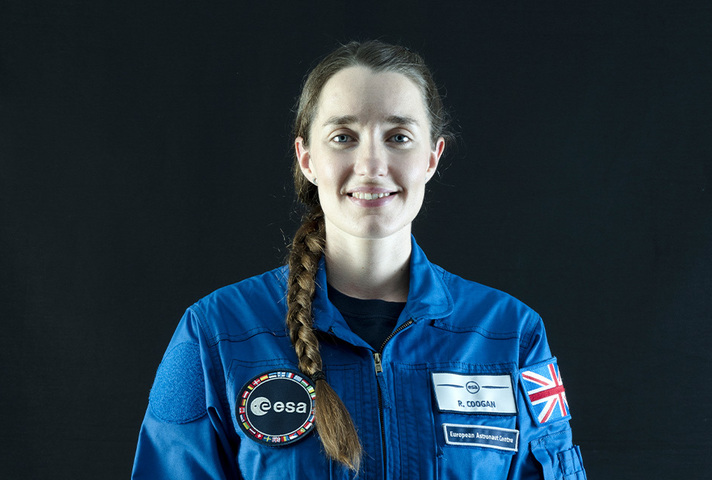
UK astronaut Rosemary Coogan says she is proud to be a step closer to space after a graduation ceremony today (22 April 2024) following her European Space Agency training.
UK funding boost for international space projects
Press release
Eleven projects that showcase the best of UK space expertise on the international stage have secured a funding boost from the UK Space Agency.

Up to £60 million is available for innovations that will help boost the UK’s satellite communications sector, following the record number of global satellite launches in 2023.

The UK Space Agency is opening new headquarters at the Harwell Science Campus’ Space Cluster in Oxfordshire, and offices in Scotland, Wales and the Midlands.
New funding to boost space sector growth across the UK
Press release
6 projects across the UK’s growing space sector have been announced today at Space-Comm Expo, following publication of the government’s Space Industrial Plan.

The UK Space Agency has announced a £10 million funding competition that will help UK companies put their technologies at the forefront of a new generation of global telecommunications services, products and applications.

Latest from the UK Space Agency
What we do
We boost UK prosperity, understand the Universe, and protect our planet and outer space.
UK Space Agency is an executive agency, sponsored by the Department for Science, Innovation and Technology.
Follow us
Documents
Transparency and freedom of information releases
Our management









Contact the UK Space Agency
Contact
Make an FOI request
- Read about the Freedom of Information (FOI) Act and how to make a request.
- Check our previous releases to see if we’ve already answered your question.
- Make a new request by contacting us using the details below.
Freedom of Information requests
Polaris House
North Star Avenue
Swindon
Wiltshire
SN2 1SZ
United Kingdom
Corporate information
Jobs and contracts